10.2 Using the Information in this Chapter
10.2.1 Sensitivity Units and Conversions
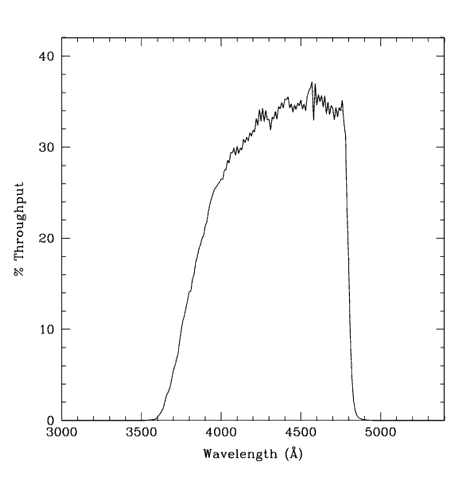
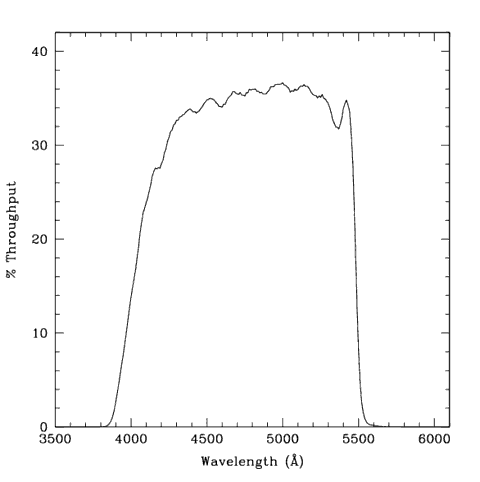
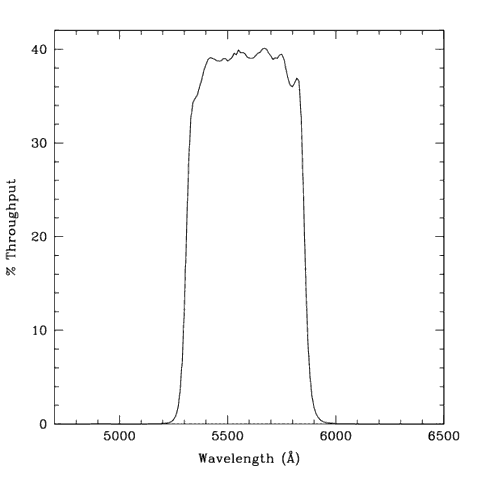
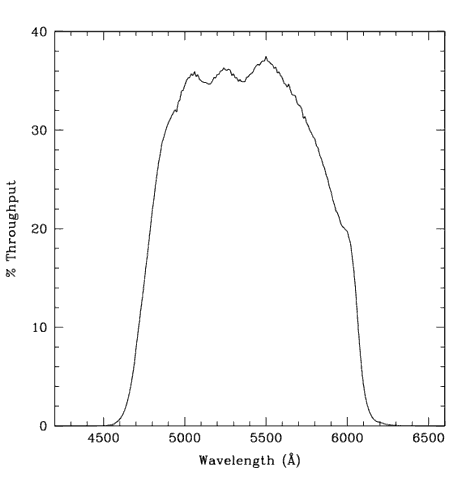
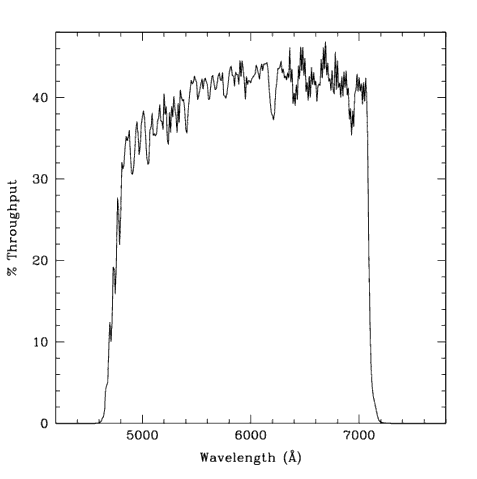
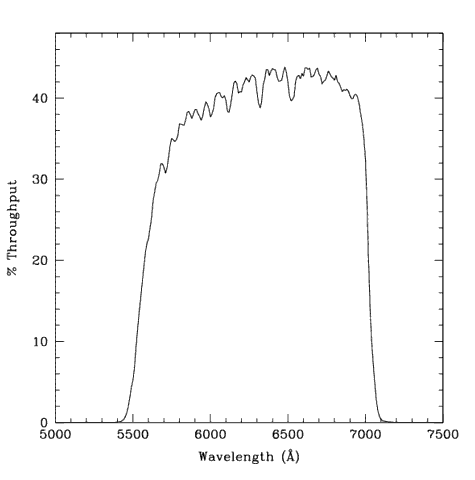
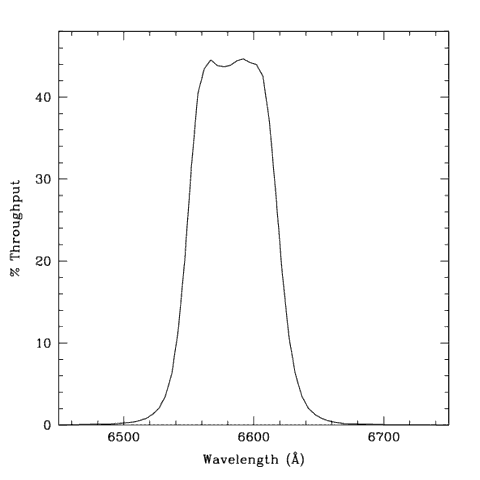
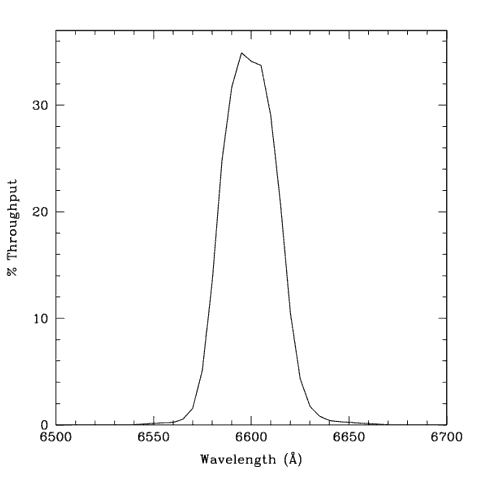
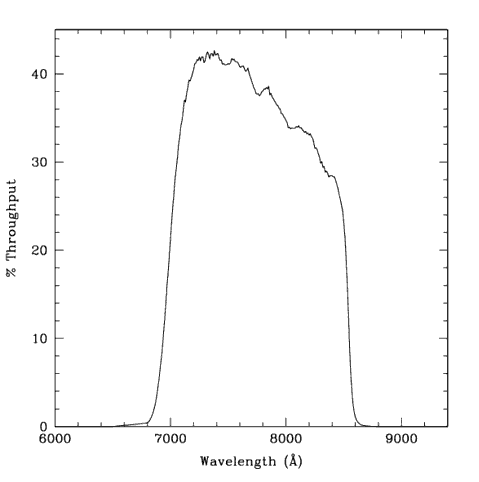
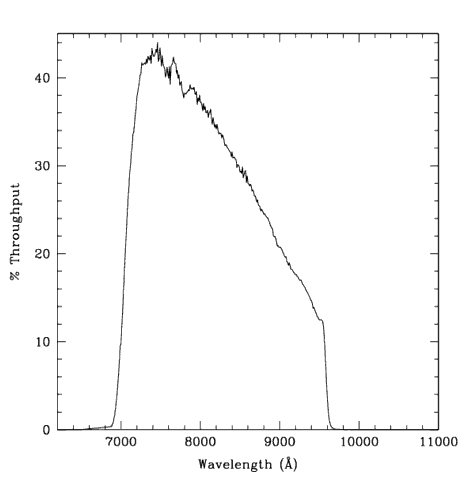
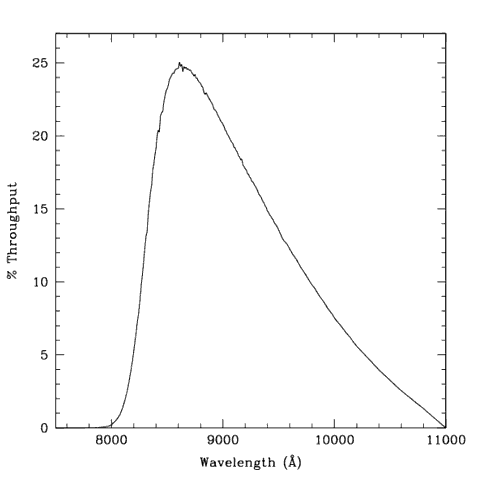
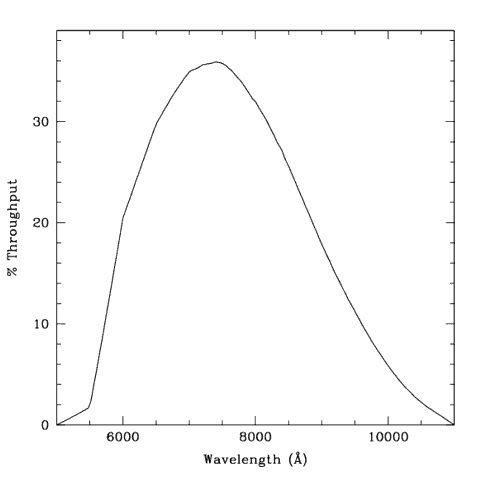
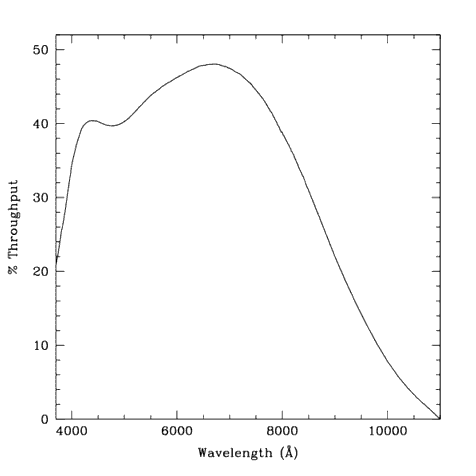
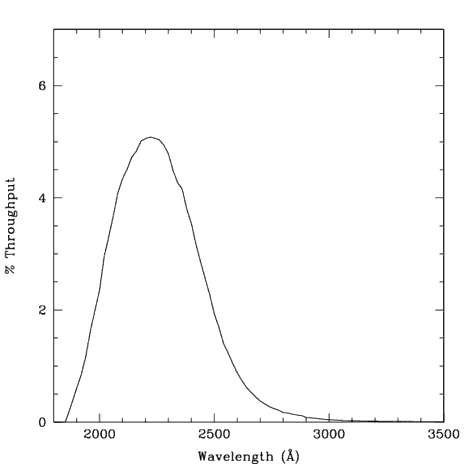
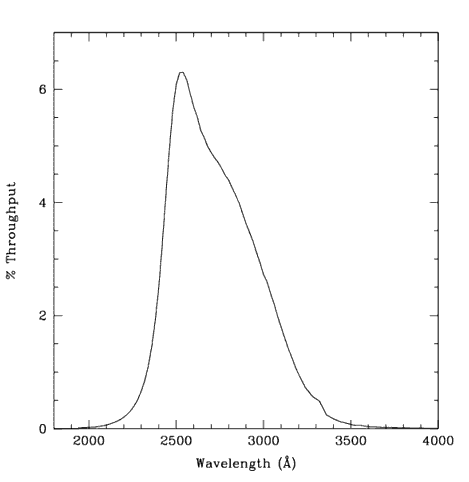
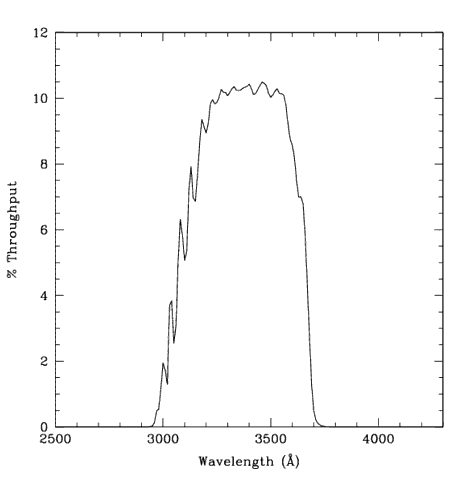
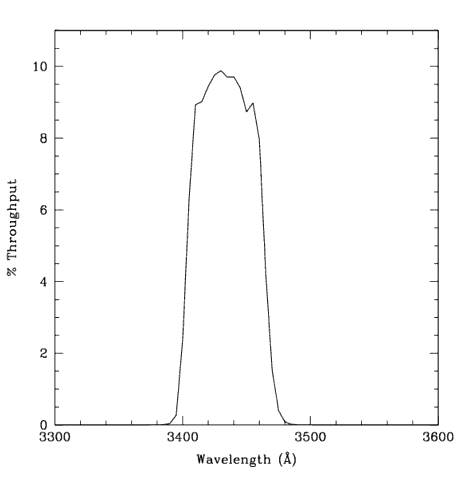
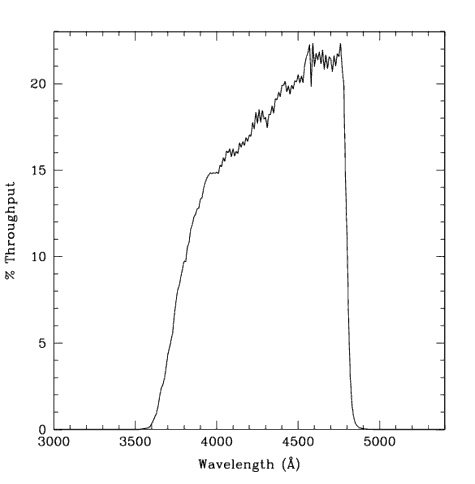
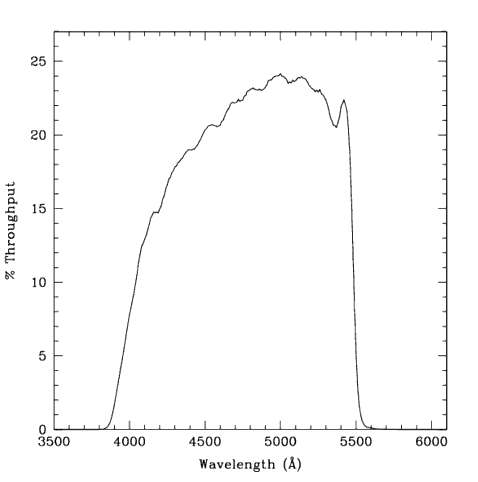
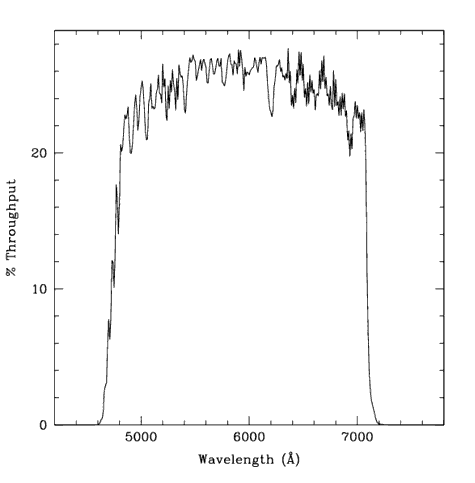
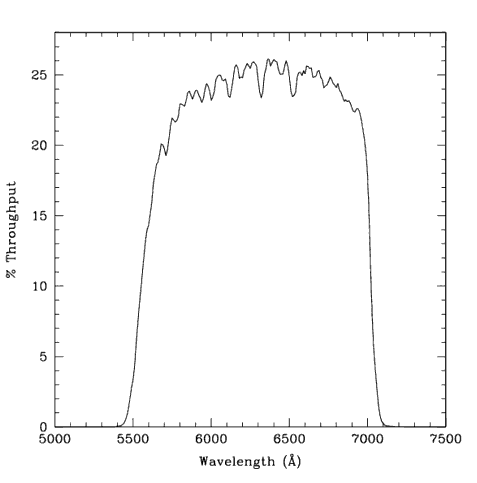
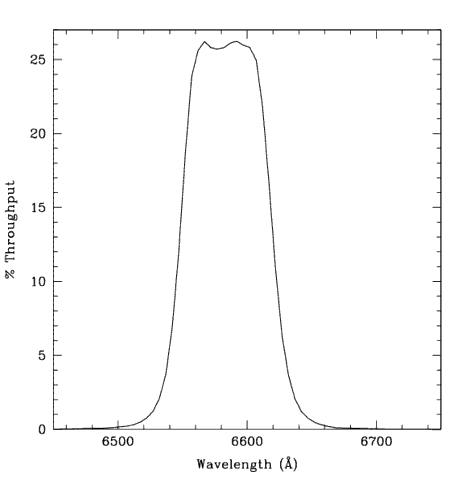
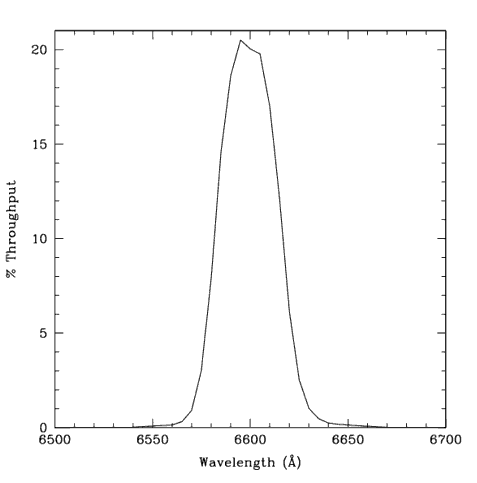
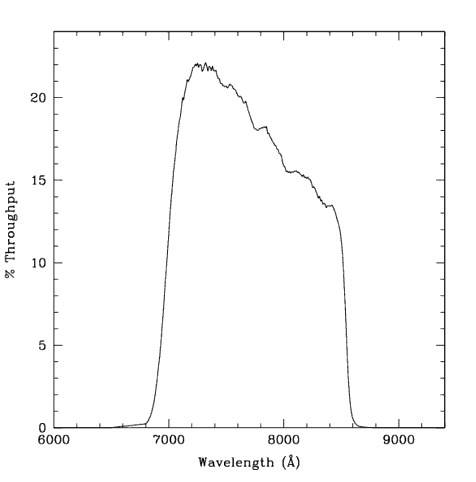
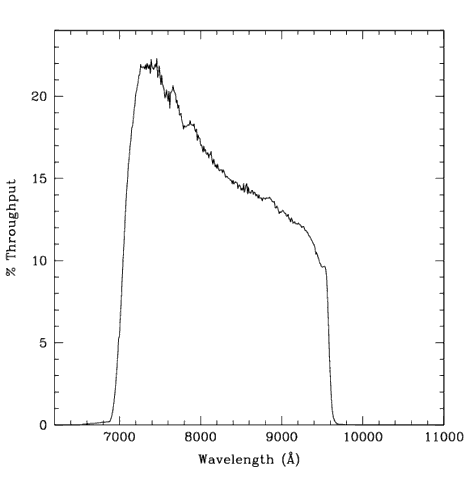
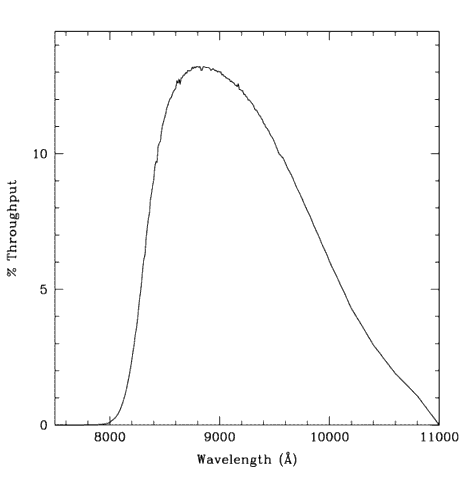
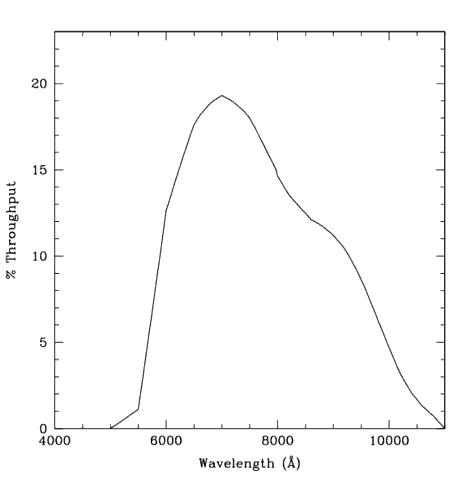
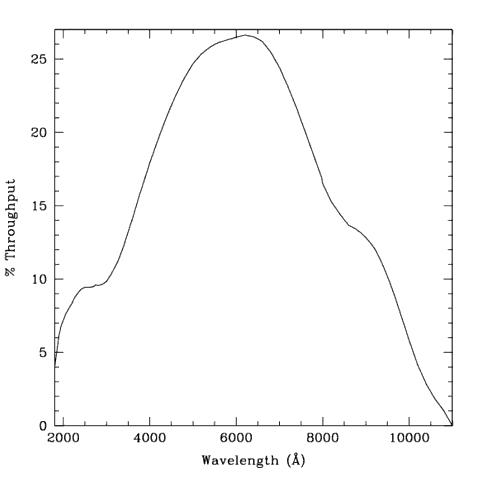
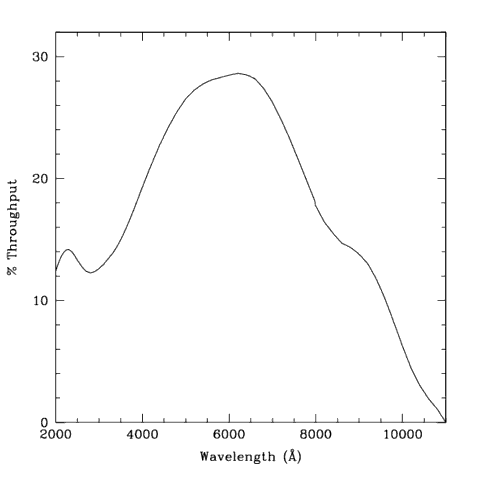
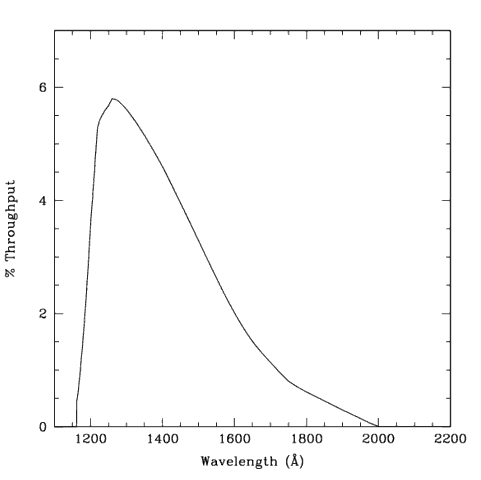
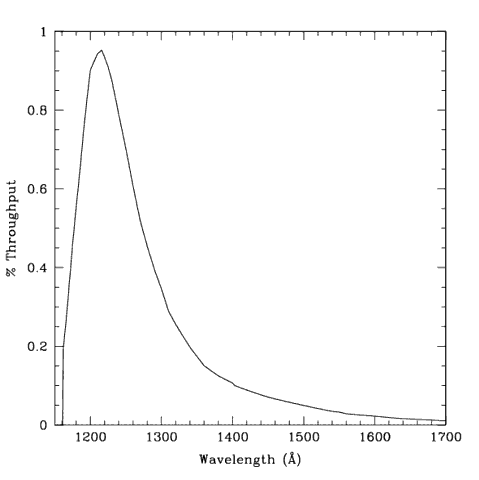
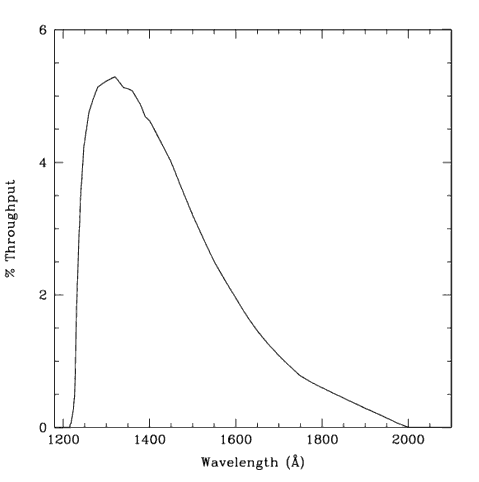
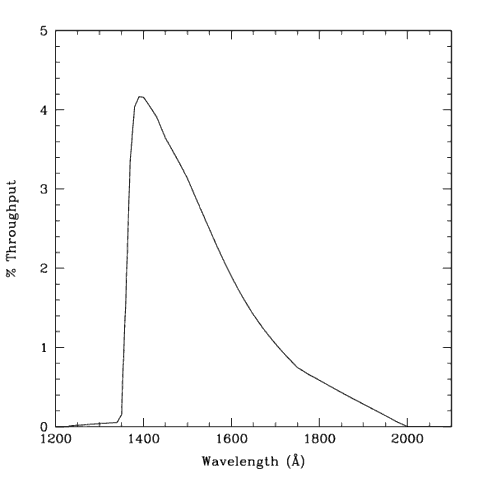
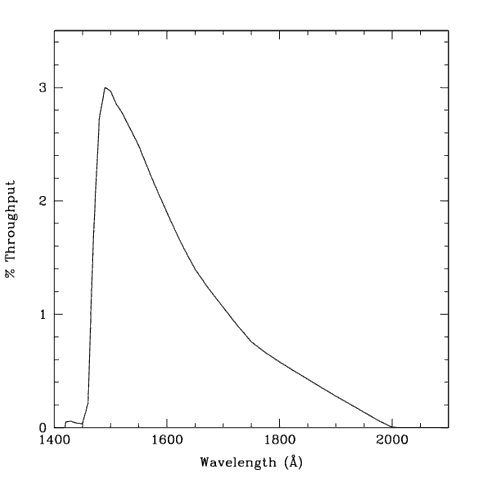
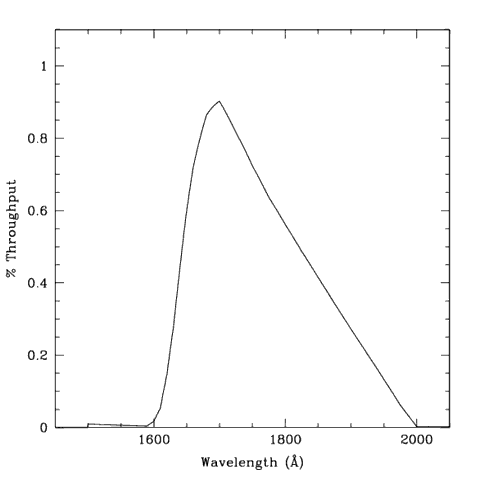
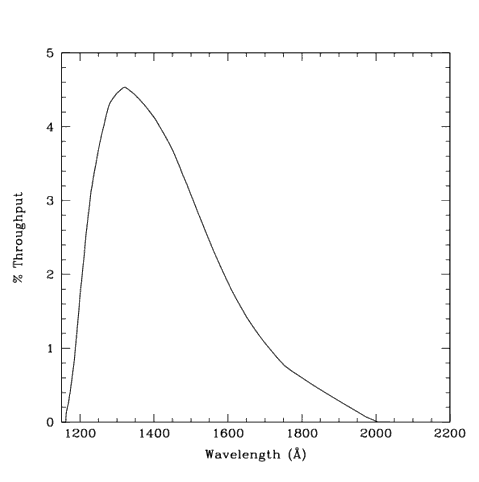
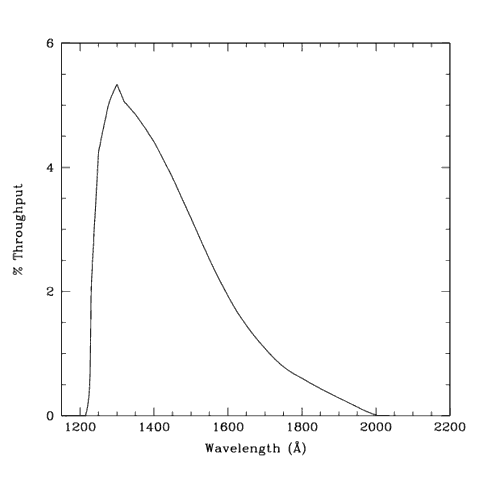
This chapter contains plots of throughputs for each imaging mode. "Determining Count Rates from Sensitivities" in Section 9.2 explains how to use these throughputs to calculate expected count rates from your source.
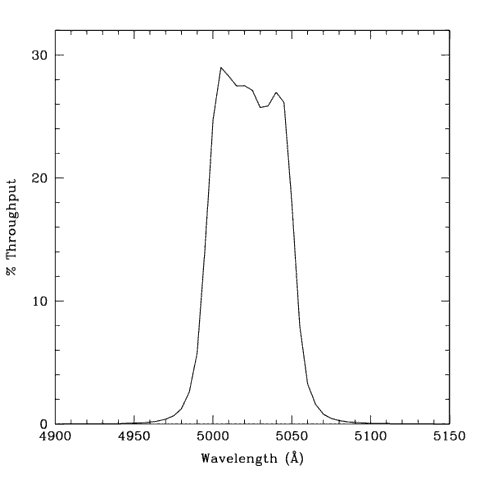
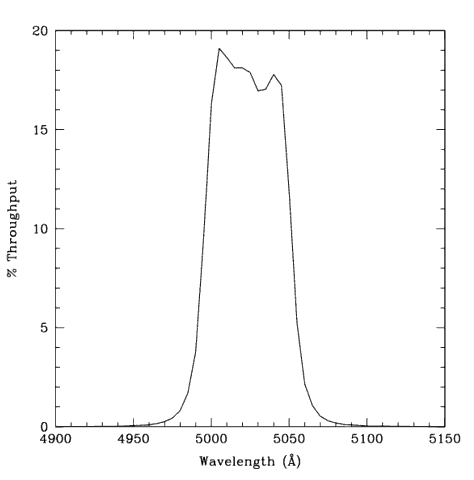
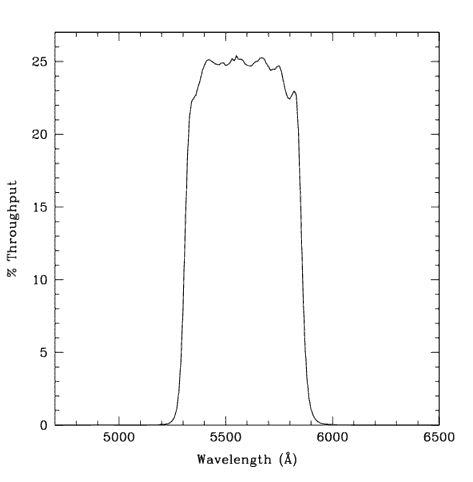
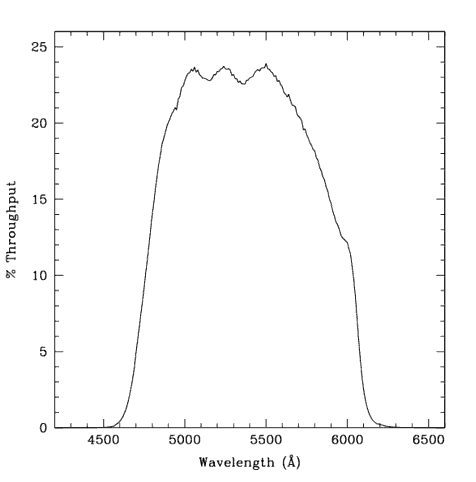
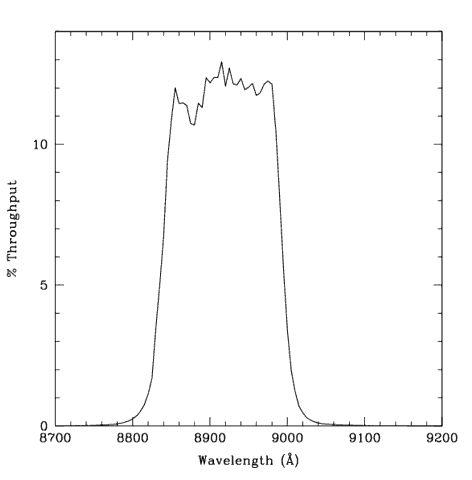
The first figure for each imaging mode gives the integrated system throughput. This is the combination of the efficiencies of the detector and of the optical elements in the light path. The throughputs in this handbook are based in part on ground test data. Although, at the time of writing the overall detector efficiency curve and most filter throughputs have been adjusted based on in-flight data. The throughput is defined as the number of detected counts/second/cm2 of telescope area relative to the incident flux in photons/cm2/second. For the CCD, “counts” is the number of electrons detected. For the MAMA, “counts” is the number of valid events processed by the detector electronics after passing through the various pulse-shape and anti-coincidence filters. In both cases the detected counts obey Poisson statistics. The throughput includes all obscuration effects in the optical train (e.g., due to the HST secondary).
To recalculate the throughput with the most recent CCD QE tables in synphot, you can create total-system-throughput tables (instrument plus OTA) using the synphot calcband task. calcband takes any valid obsmode command string as input and produces an STSDAS table with two columns of data called “wavelength” and “throughput” as its output. For example, to evaluate the throughput for the F475W filter and the WFC detector, chip 1, you would use the command calcband acs,wfc1,f475w sdssg_thpt. The resulting throughput table is stored in sdssg_thpt.
The ramp filters are not included in this chapter because the passband will change depending on the chosen central wavelength. The width of the passband and available range of central wavelengths for each ramp segment are listed in Table 5.2. Additionally, the passband for a ramp segment can be plotted with synphot using the following command calcband acs,wfc1,fr388n#3880 sdssg_thpt where the #3880 is the desired central wavelength in Angstroms.
10.2.2 Signal-to-Noise
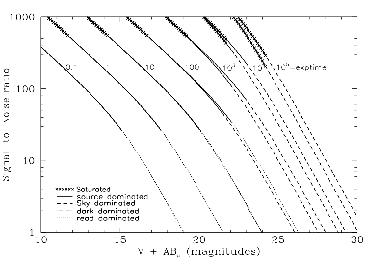
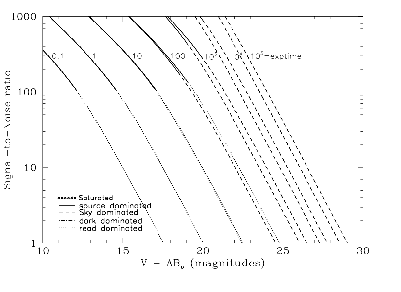
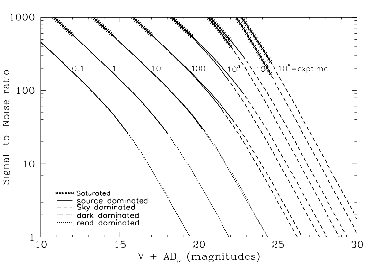
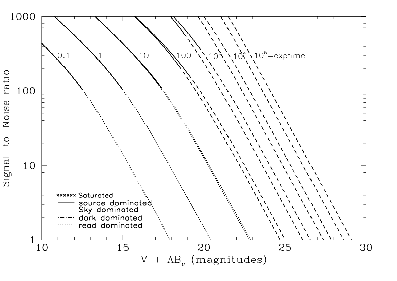
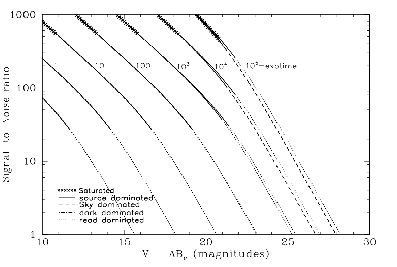
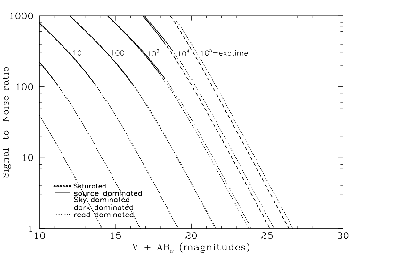
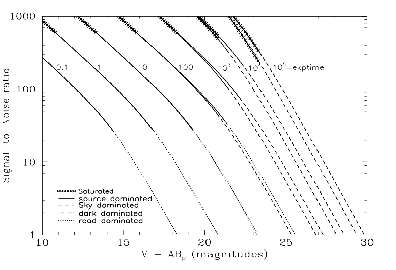
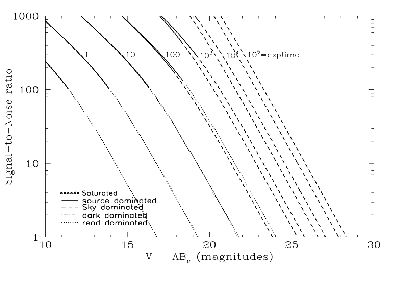
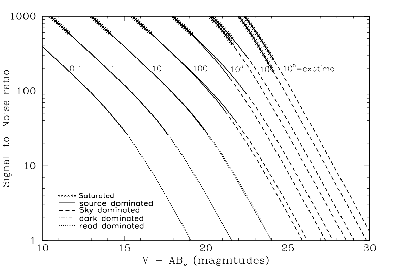
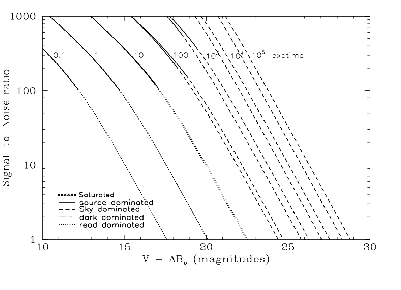
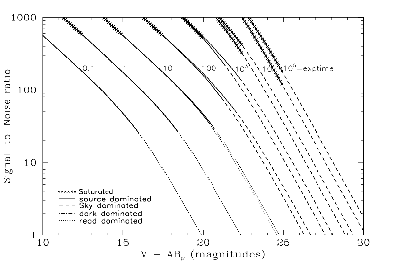
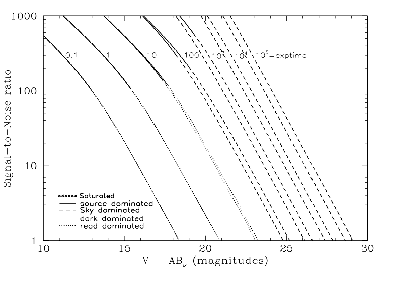
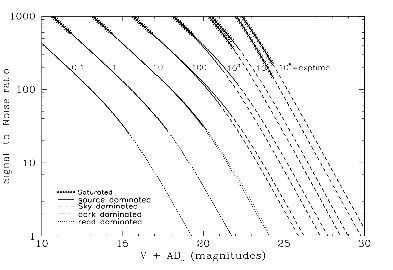
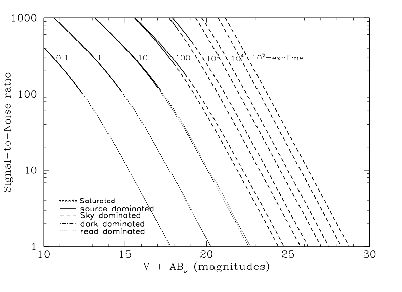
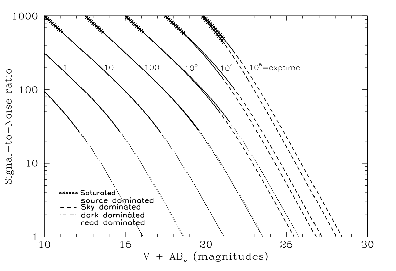
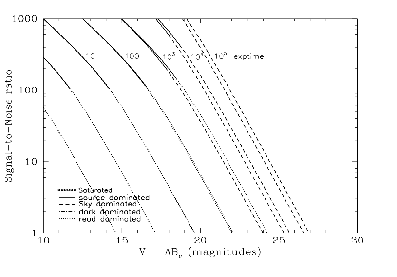
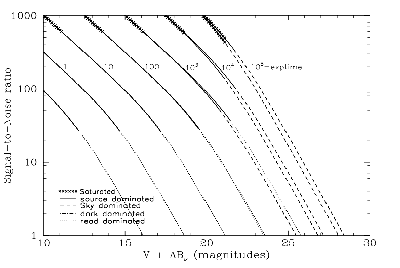
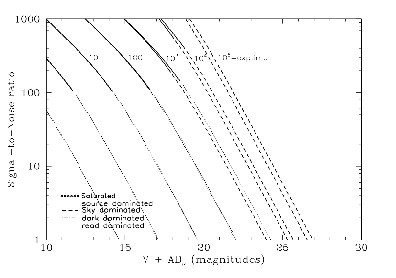
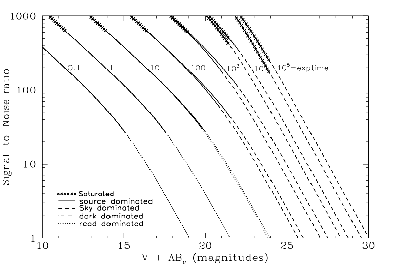
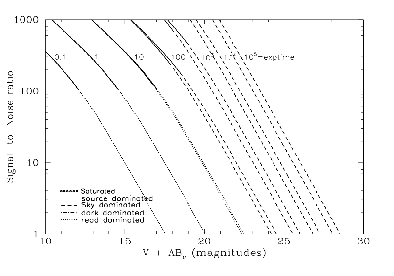
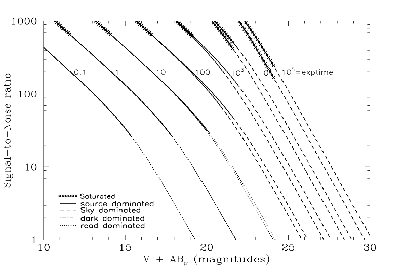
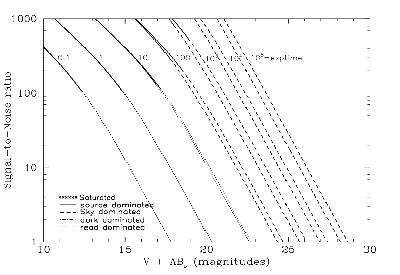
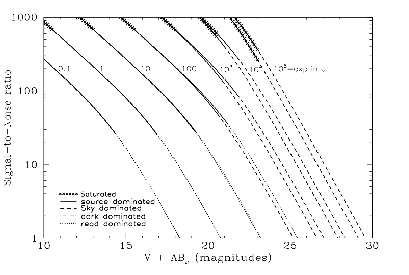
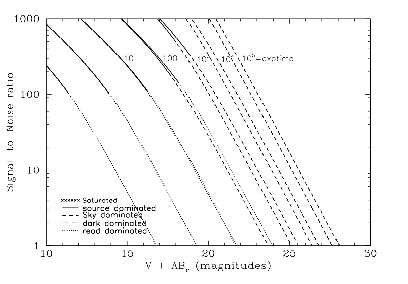
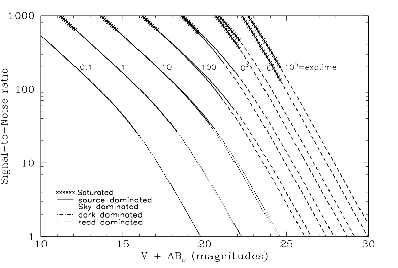
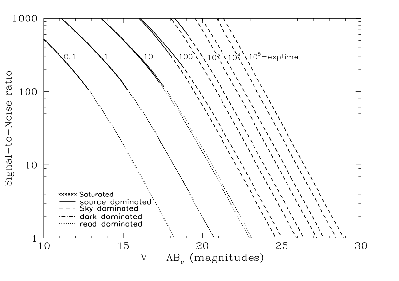
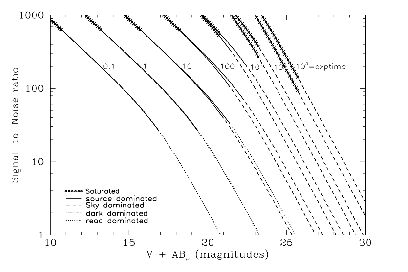
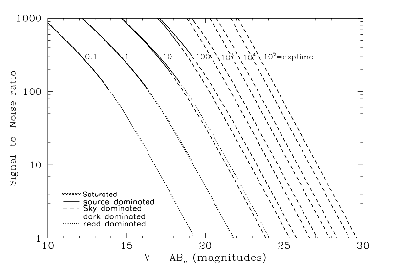
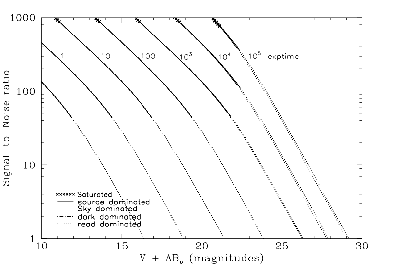
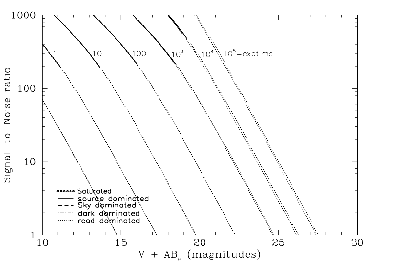
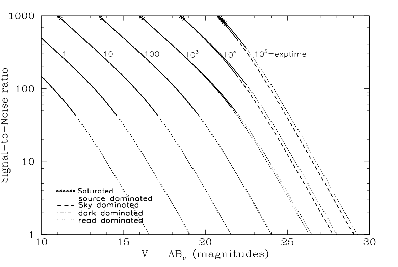
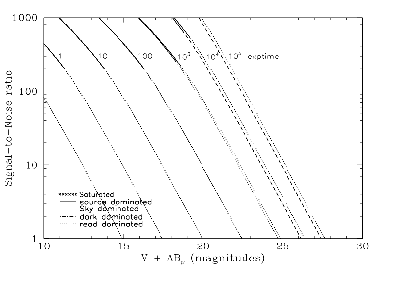
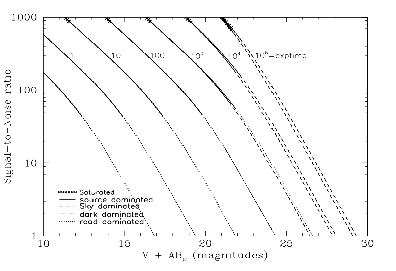
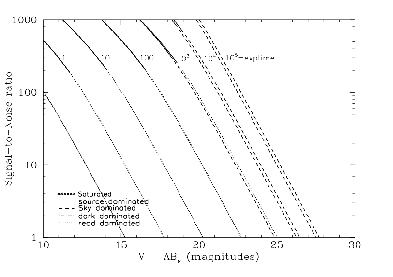
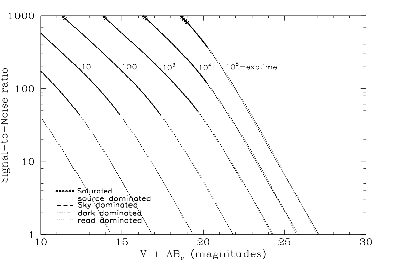
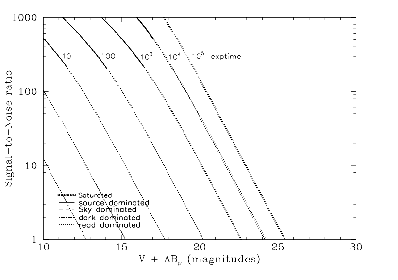
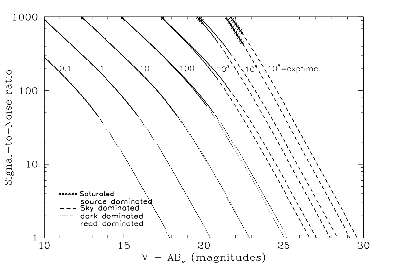
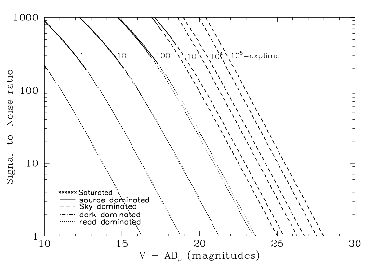
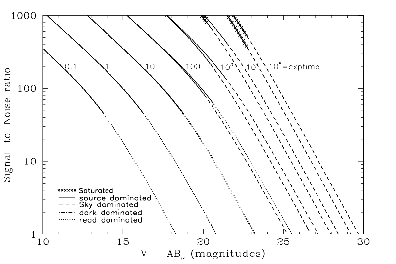
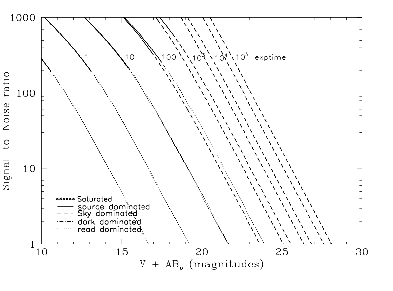
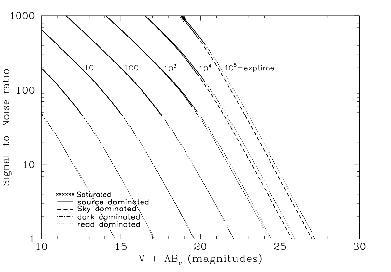
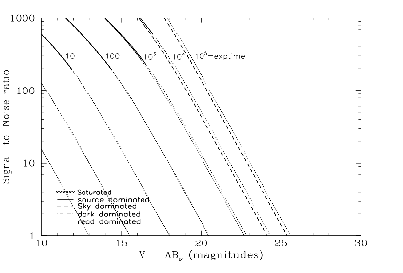
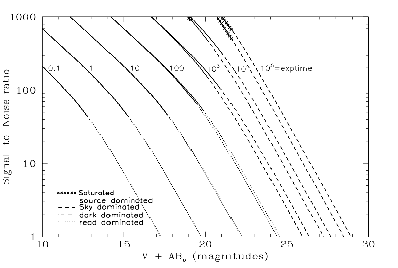
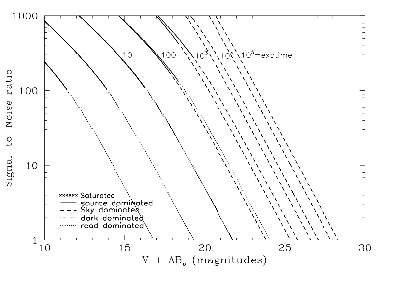
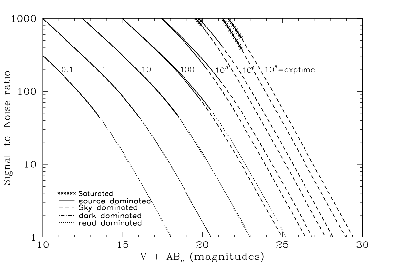
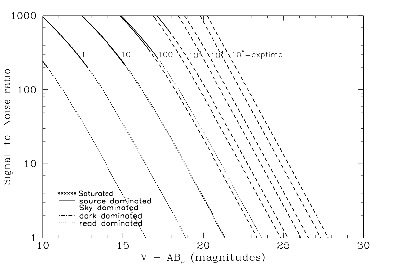
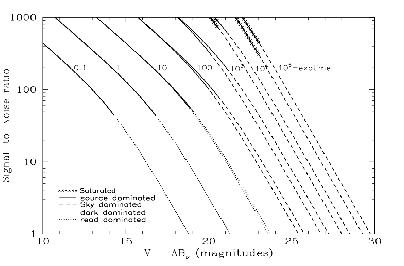
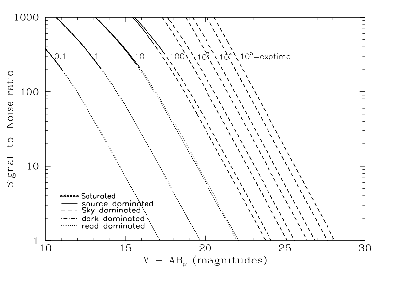
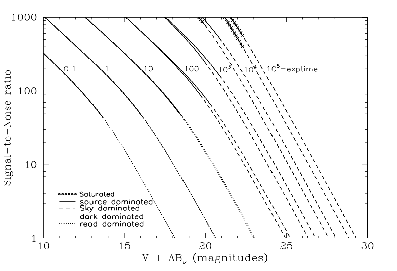
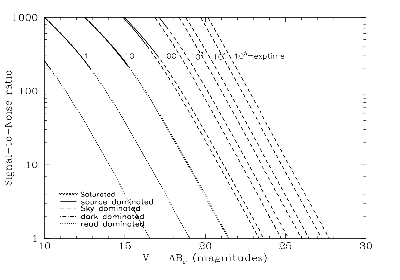
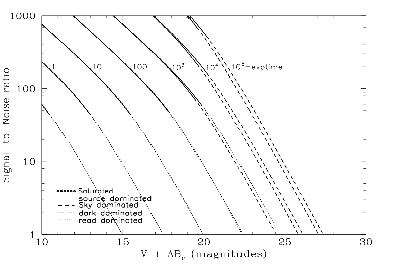
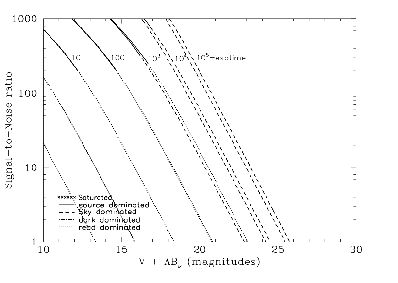
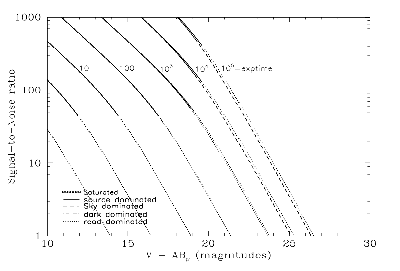
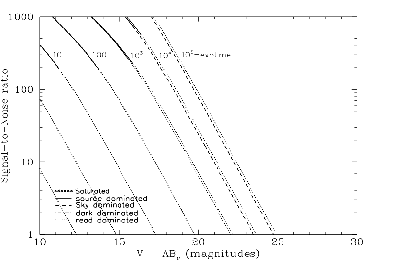
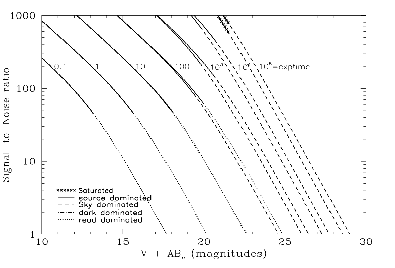
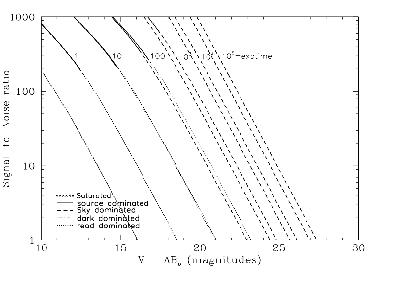
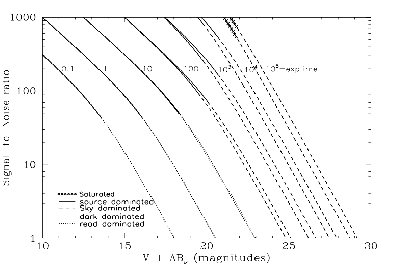
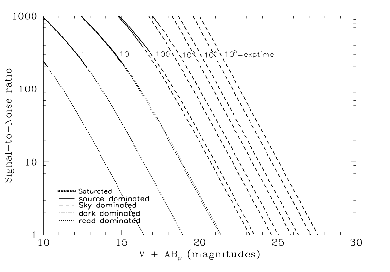
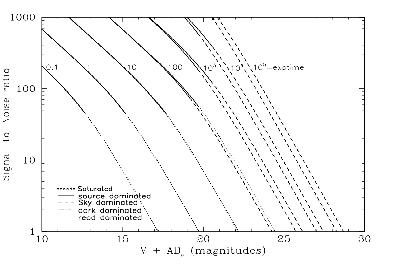
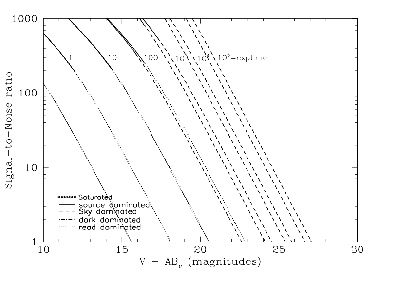
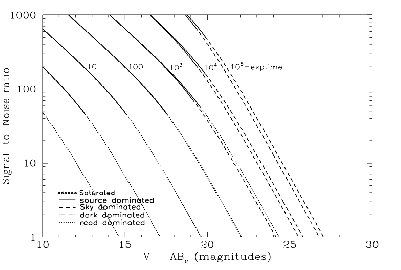
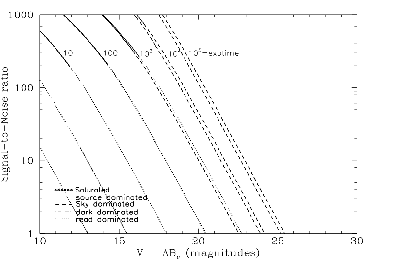
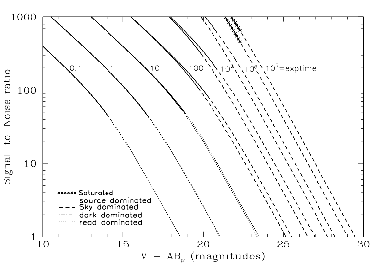
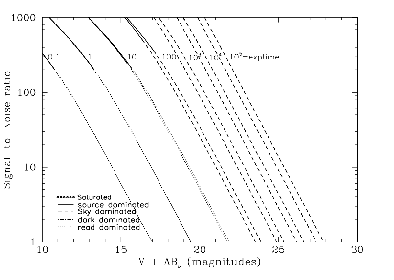
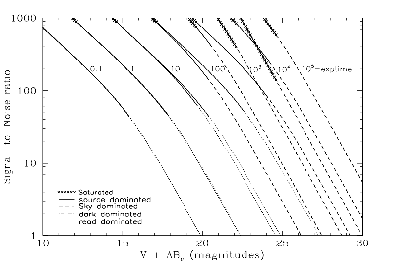
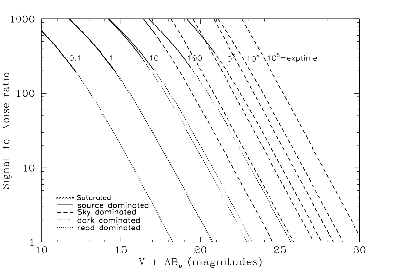
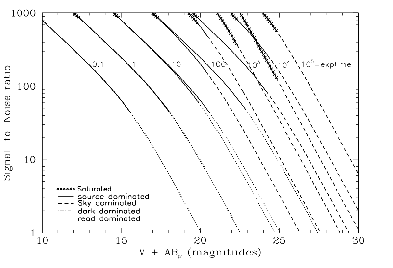
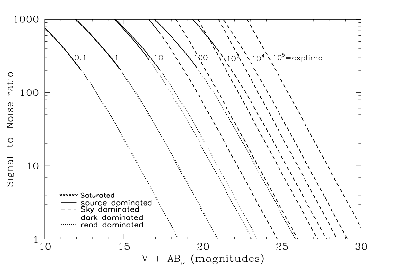
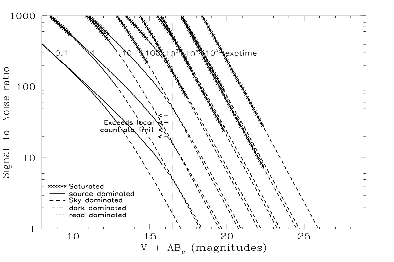
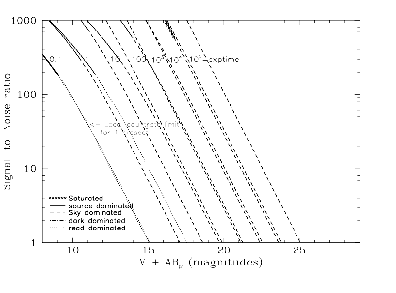
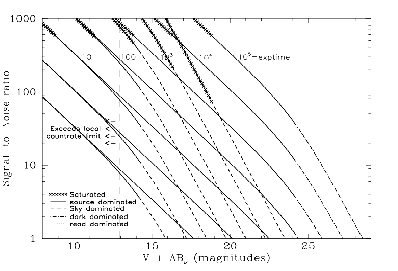
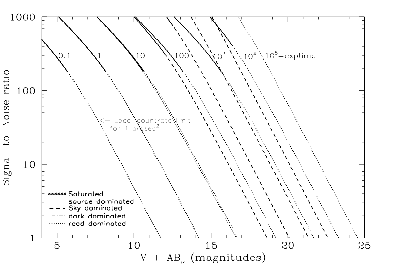
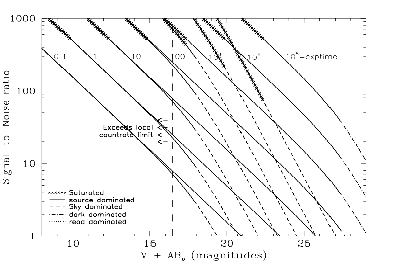
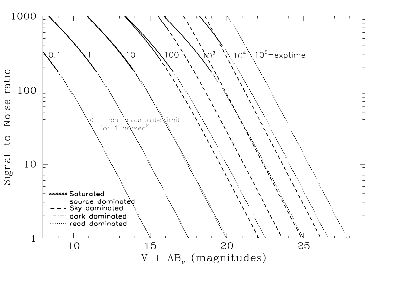
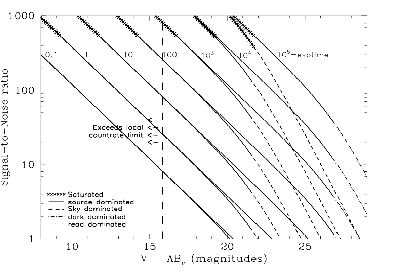
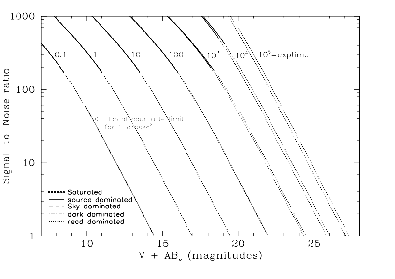
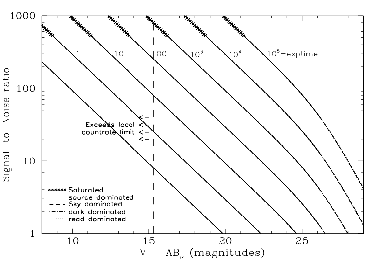
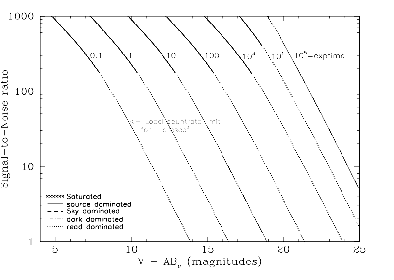
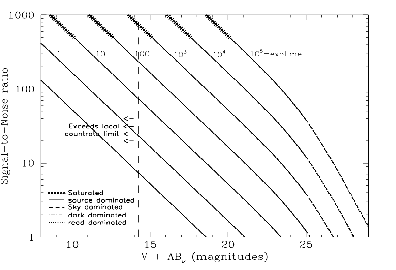
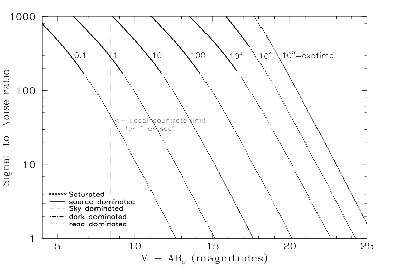
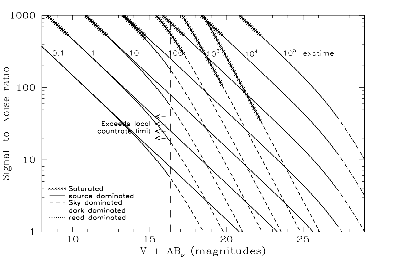
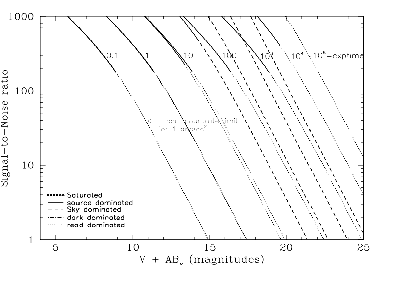
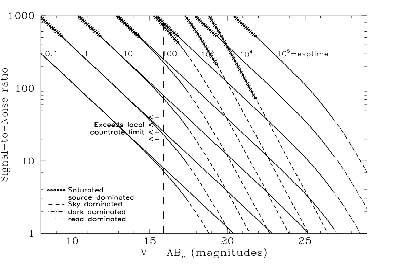
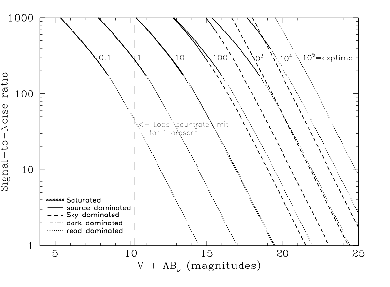
For each imaging mode, plots are provided to estimate the signal-to-noise ratio (S/N) for a representative source. The first figure shows S/N for point sources (GAIN=1). The second figure shows S/N for uniform extended sources of area 1 arcseconds2.
The different line styles in the S/N figures delineate regions where different sources of noise dominate. A particular source of noise (readnoise for example) is presumed to dominate if it contributes more than half the total noise in the observations.
The point- and extended-source S/N figures are shown for average and low sky levels. For point sources, an aperture size of 5 x 5 pixels has been used for the WFC, 9 x 9 pixels for HRC, and 15 x 15 pixels for the SBC S/N evaluation. For extended sources, a 1 arcseconds2 aperture was used. For the CCD the readnoise has been computed assuming a number of readouts NREAD= integer (t / 1000 seconds), where t is the exposure time, with a minimum NREAD=2. That is, each exposure has a minimum CR-SPLIT=2. Different line styles in the figures are used to indicate which source of noise dominates.
To the left of the vertical line in the SBC S/N plots, the count rate from the source exceeds the 150 counts/second/pixel local count rate limit. This is computed from the model PSF, which gives 14% to 22% of the flux in the central pixel.
In situations requiring more detailed calculations (non-stellar spectra, extended sources, other sky background levels, unknown target V magnitude, etc.), the ACS Exposure-Time Calculator should be used.
Follow these steps to use the signal-to-noise plots:
- Determine the AB magnitude of your source at the wavelength of interest. There are several ways to do this.
- Examine Table 10.1, 10.2, or 10.3 (the data in these tables are for Side 1) and find ABn for the desired spectral type and filter. Sum the V magnitude of the target and ABn derived from the table.
- Alternatively, compute ABMAG (=V+ABn) from the source flux, using the relation
, or
.
- Find the appropriate plot for the filter in question, and locate V+ABn on the horizontal axis. Then read off the signal-to-noise ratio for the desired exposure time, or vice-versa.
The “x” characters at the top of each plot indicate the onset of saturation, in the case of the CCD. The “x” shows where the total number of counts exceeds the 16 bit buffer size of 65,535.
Note that the plots show the S/N as a function of source magnitude for exposure times as short as 0.1 seconds, although the minimum exposure time for the WFC CCD channel is 0.5 seconds.
10.2.3 Point Spread Functions
All information about the PSF are based on the modeled encircled energy data presented in ACS Point Spread Functions in Section 5.6
WFC/F435W
Description
Johnson B filter.
Figure 10.1: Integrated system throughput for WFC/F435W.
Figure 10.2: Point source S/N vs. V+ABn for the WFC/F435W filter. Top curves are for low sky; bottom curves are for average sky.
Figure 10.3: Extended source S/N vs. V+ABn for the WFC/F435W filter. Top curves are for low sky and bottom curves are for average sky for a 1 arcsec2 area.
WFC/F475W
Description
Sloan Digital Sky Survey g filter.
Figure 10.4: Integrated system throughput for WFC/F475W.
Figure 10.5: Point source S/N vs. V+ABn for the WFC/F475W filter. Top curves are for low sky; bottom curves are for average sky.
Figure 10.6: Extended source S/N vs. V+ABn for the WFC/F475W filter. Top curves are for low sky and bottom curves are for average sky for a 1 arcsec2 area.
WFC/F502N
Description
OIII filter.
Figure 10.7: Integrated system throughput for WFC/F502N.
Figure 10.8: Point source S/N vs. V+ABn for the WFC/F502N filter. Top curves are for low sky; bottom curves are for average sky.
Figure 10.9: Extended source S/N vs. V+ABn for the WFC/F502N filter. Top curves are for low sky and bottom curves are for average sky for a 1 arcsec2 area
.
WFC/F550M
Description
Narrow V filter.
Figure 10.10: Integrated system throughput for WFC/F550M.
Figure 10.11: Point source S/N vs. V+ABn for the WFC/F550M filter. Top curves are for low sky; bottom curves are for average sky.
Figure 10.12: Extended source S/N vs. V+ABn for the WFC/F550M filter. Top curves are for low sky and bottom curves are for average sky for a 1 arcsec2 area.
WFC/F555W
Description
Johnson V filter.
Figure 10.13: Integrated system throughput for WFC/F555W.
Figure 10.14: Point source S/N vs. V+ABn for the WFC/F555W filter. Top curves are for low sky; bottom curves are for average sky.
Figure 10.15: Extended source S/N vs. V+ABn for the WFC/F555W filter. Top curves are for low sky and bottom curves are for average sky for a 1 arcsec2 area
.
WFC/F606W
Description
Broad V filter.
Figure 10.16: Integrated system throughput for WFC/F606W.
Figure 10.17: Point source S/N vs. V+ABn for the WFC/F606W filter. Top curves are for low sky; bottom curves are for average sky.
Figure 10.18: Extended source S/N vs. V+ABn for the WFC/F606W. Top curves are for low sky and bottom curves are for average sky for a 1arcsec2 area.
WFC/F625W
Description
Sloan Digital Sky Survey r filter.
Figure 10.19: Integrated system throughput for WFC/F625W.
Figure 10.20: Point source S/N vs. V+ABn for the WFC/F625W filter. Top curves are for low sky; bottom curves are for average sky.
Figure 10.21: Extended source S/N vs. V+ABn for the WFC/F625W filter. Top curves are for low sky and bottom curves are for average sky for a 1 arcsec2 area.
WFC/F658N
Description
Ha filter.
Figure 10.22: Integrated system throughput for WFC/F658N.
Figure 10.23: Point source S/N vs. V+ABn for the WFC/F658N filter. Top curves are for low sky; bottom curves are for average sky.
Figure 10.24: Extended source S/N vs. V+ABn for the WFC/F658N filter. Top curves are for low sky and bottom curves are for average sky for 1 arcsec2 area.
WFC/F660N
Description
NII filter.
Figure 10.25: Integrated system throughput for WFC/F660N.
Figure 10.26: Point source S/N vs. V+ABn for the WFC/F660N filter. Top curves are for low sky; bottom curves are for average sky.
Figure 10.27: Extended source S/N vs. V+ABn for the WFC/F660N filter. Top curves are for low sky and bottom curves are for average sky for a 1 arcsec2 area.
WFC/F775W
Description
Sloan Digital Sky Survey i filter
Figure 10.28: Integrated system throughput for WFC/F775W.
Figure 10.29: Point source S/N vs. V+ABn for the WFC/F775W filter. Top curves are for low sky; bottom curves are for average sky.
Figure 10.30: Extended source S/N vs. V+ABn for the WFC/F775W filter. Top curves are for low sky and bottom curves are for average sky for a 1 arcsec2 area.
WFC/F814W
Description
Broad I filter.
Figure 10.31: Integrated system throughput for WFC/F814W.
Figure 10.32: Point source S/N vs. V+ABn for the WFC/F814W filter. Top curves are for low sky; bottom curves are for average sky.
Figure 10.33: Extended source S/N vs. V+ABn for the WFC/F814W filter. Top curves are for low sky and bottom curves are for average sky for a 1 arcsec2 area.
WFC/F850LP
Description
Sloan Digital Sky Survey z filter.
Figure 10.34: Integrated system throughput for WFC/F850LP.
Figure 10.35: Point source S/N vs. V+ABn for the WFC/F850LP filter. Top curves are for low sky; bottom curves are for average sky.
Figure 10.36: Extended source S/N vs. V+ABn for the WFC/F850LP filter. Top curves are for low sky and bottom curves are for average sky for a 1arcsec2 area.
WFC/G800L
Description
Grism.
Figure 10.37: Integrated system throughput for WFC/G800L.
Figure 10.38: Point source S/N vs. V+ABn for the WFC/G800L filter. Top curves are for low sky; bottom curves are for average sky.
Figure 10.39: Extended source S/N vs. V+ABn for the WFC/G800L filter. Top curves are for low sky and bottom curves are for average sky for a 1arcsec2 area.
WFC/CLEAR
Description
Clear filter.
Figure 10.40: Integrated system throughput for WFC/Clear.
Figure 10.41: Point source S/N vs. V+ABn for the WFC/Clear filter. Top curves are for low sky; bottom curves are for average sky.
Figure 10.42: Extended source S/N vs. V+ABn for the WFC/Clear filter. Top curves are for low sky and bottom curves are for average sky for a 1 arcsec2 area.
HRC/F220W
Description
Near-UV filter.
Figure 10.43: Integrated system throughput for HRC/F220W.
Figure 10.44: Point source S/N vs. V+ABn for the HRC/F220W filter. Top curves are for low sky; bottom curves are for average sky.
Figure 10.45: Extended source S/N vs. V+ABn for the HRC/F220W filter. Top curves are for low sky and bottom curves are for average sky for a 1 arcsec2 area.
HRC/F250W
Description
Near-UV filter.
Figure 10.46: Integrated system throughput for HRC/F250W.
Figure 10.47: Point Source S/N vs. V+ABn for the HRC/F250W filter. Top curves are for low sky; bottom curves are for average sky.
Figure 10.48: Extended Source S/N vs. V+ABn for the HRC/F250W filter. Top curves are for low sky and bottom curves are for average sky for a 1 arcsec2 area.
HRC/F330W
Description
HRC u filter.
Figure 10.49: Integrated system throughput for HRC/F330W.
Figure 10.50: Point source S/N vs. V+ABn for the HRC/F330W filter. Top curves are for low sky; bottom curves are for average sky.
Figure 10.51: Extended source S/N vs. V+ABn for the HRC/F330W filter. Top curves are for low sky and bottom curves are for average sky for a 1 arcsec2 area.
HRC/F344N
Description
NeV filter.
Figure 10.52: Integrated system throughput for HRC/F344N.
Figure 10.53: Point source S/N vs. V+ABn for the HRC/F344N filter. Top curves are for low sky; bottom curves are for average sky.
Figure 10.54: Extended source S/N vs. V+ABn for the HRC/F344N filter. Top curves are for low sky and bottom curves are for average sky for a 1 arcsec2 area.
HRC/F435W
Description
Johnson B filter.
Figure 10.55: Integrated system throughput for HRC/F435W.
Figure 10.56: Point source S/N vs. V+ABn for the HRC/F435W filter. Top curves are for low sky; bottom curves are for average sky.
Figure 10.57: Extended source S/N vs. V+ABn for the HRC/F435W filter. Top curves are for low sky and bottom curves are for average sky for a 1 arcsec2 area.
HRC/F475W
Description
Sloan Digital Sky Survey g filter.
Figure 10.58: Integrated system throughput for HRC/F475W.
Figure 10.59: Point source S/N vs. V+ABn for the HRC/F475W filter. Top curves are for low sky; bottom curves are for average sky.
Figure 10.60: Extended source S/N vs. V+ABn for the HRC/F475W filter. Top curves are for low sky and bottom curves are for average sky for a 1 arcsec2 area.
HRC/F502N
Description
OIII filter.
Figure 10.61: Integrated system throughput for HRC/F502N.
Figure 10.62: Point source S/N vs. V+ABn for the HRC/F502N filter. Top curves are for low sky; bottom curves are for average sky.
Figure 10.63: Extended source S/N vs. V+ABn for the HRC/F502N filter. Top curves are for low sky and bottom curves are for average sky for a 1 arcsec2 area.
HRC/F550M
Description
Narrow V filter.
Figure 10.64: Integrated system throughput for HRC/F550M.
Figure 10.65: Point source S/N vs. V+ABn for the HRC/F550M filter. Top curves are for low sky; bottom curves are for average sky.
Figure 10.66: Extended source S/N vs. V+ABn for the HRC/F550M filter. Top curves are for low sky and bottom curves are for average sky for a 1 arcsec2 area.
HRC/F555W
Description
Johnson V filter.
Figure 10.67: Integrated system throughput for HRC/F555W.
Figure 10.68: Point source S/N vs. V+ABn for the HRC/F555W filter. Top curves are for low sky; bottom curves are for average sky.
Figure 10.69: Extended source S/N vs. V+ABn for the HRC/F555W filter. Top curves are for low sky and bottom curves are for average sky for a 1 arcsec2 area.
HRC/F606W
Description
Broad V filter.
Figure 10.70: Integrated system throughput for HRC/F606W.
Figure 10.71: Point source S/N vs. V+ABn for the HRC/F606W filter. Top curves are for low sky; bottom curves are for average sky.
Figure 10.72: Extended source S/N vs. V+ABn for the HRC/F606W filter. Top curves are for low sky and bottom curves are for average sky for a 1 arcsec2 area.
HRC/F625W
Description
Sloan Digital Sky Survey r filter.
Figure 10.73: Integrated system throughput for HRC/F625W.
Figure 10.74: Point source S/N vs. V+ABn for the HRC/F625W filter. Top curves are for low sky; bottom curves are for average sky.
Figure 10.75: Extended source S/N vs. V+ABn for the HRC/F625W filter. Top curves are for low sky and bottom curves are for average sky for a 1 arcsec2 area.
HRC/F658N
Description
Ha filter.
Figure 10.76: Integrated system throughput for HRC/F658N.
Figure 10.77: Point source S/N vs. V+ABn for the HRC/F658N filter. Top curves are for low sky; bottom curves are for average sky.
Figure 10.78: Extended source S/N vs. V+ABn for the HRC/F658N filter. Top curves are for low sky and bottom curves are for average sky for a 1 arcsec2 area.
HRC/F660N
Description
NII filter.
Figure 10.79: Integrated system throughput for HRC/F660N.
Figure 10.80: Point source S/N vs. V+ABn for the HRC/F660N filter. Top curves are for low sky; bottom curves are for average sky.
Figure 10.81: Extended source S/N vs. V+ABn for the HRC/F660N filter. Top curves are for low sky and bottom curves are for average sky for a 1 arcsec2 area.
HRC/F775W
Description
Sloan Digital Sky Survey i filter.
Figure 10.82: Integrated system throughput for HRC/F775W.
Figure 10.83: Point source S/N vs. V+ABn for the HRC/F775W filter. Top curves are for low sky; bottom curves are for average sky.
Figure 10.84: Extended source S/N vs. V+ABn for the HRC/F775W filter. Top curves are for low sky and bottom curves are for average sky for a 1 arcsec2 area.
HRC/F814W
Description
Broad I filter.
Figure 10.85: Integrated system throughput for HRC/F814W.
Figure 10.86: Point source S/N vs. V+ABn for the HRC/F814W filter. Top curves are for low sky; bottom curves are for average sky.
Figure 10.87: Extended source S/N vs. V+ABn for the HRC/F814W filter. Top curves are for low sky and bottom curves are for average sky for a 1 arcsec2 area.
HRC/F850LP
Description
Sloan Digital Sky Survey z filter.
Figure 10.88: Integrated system throughput for HRC/F850LP.
Figure 10.89: Point source S/N vs. V+ABn for the HRC/F850LP filter. Top curves are for low sky; bottom curves are for average sky.
Figure 10.90: Extended source S/N vs. V+ABn for the HRC/F850LP filter. Top curves are for low sky and bottom curves are for average sky for a 1 arcsec2 area.
HRC/F892N
Description
Methane filter.
Figure 10.91: Integrated system throughput for HRC/F892N.
Figure 10.92: Point source S/N vs. V+ABn for the HRC/F892N filter. Top curves are for low sky; bottom curves are for average sky.
Figure 10.93: Extended source S/N vs. V+ABn for the HRC/F892N filter. Top curves are for low sky and bottom curves are for average sky for a 1 arcsec2 area.
HRC/G800L
Description
Grism.
Figure 10.94: Integrated system throughput for HRC/G800L.
Figure 10.95: Point source S/N vs. V+ABn for the HRC/G800L filter. Top curves are for low sky; bottom curves are for average sky.
Figure 10.96: Extended source S/N vs. V+ABn for the HRC/G800L filter. Top curves are for low sky and bottom curves are for average sky for a 1 arcsec2 area.
HRC/PR200L
Description
HRC Prism.
Figure 10.97: Integrated system throughput for HRC/PR200L.
Figure 10.98: Point source S/N vs. V+ABn for the HRC/PR200L filter. Top curves are for low sky; bottom curves are for average sky.
Figure 10.99: Extended source S/N vs. V+ABn for the HRC/PR200L filter. Top curves are for low sky and bottom curves are for average sky for a 1 arcsec2 area.
HRC/CLEAR
Description
HRC Clear Filter.
Figure 10.100: Integrated system throughput for HRC/Clear
Figure 10.101: Point source S/N vs. V+ABn for the HRC/Clear filter. Top curves are for low sky; bottom curves are for average sky.
Figure 10.102: Extended source S/N vs. V+ABn for the HRC/Clear filter. Top curves are for low sky and bottom curves are for average sky for a 1 arcsec2 area.
SBC/F115LP
Description
MgF2 filter.
Figure 10.103: Integrated system throughput for SBC/F115LP.
Figure 10.104: Point source S/N vs. V+ABn for the SBC/F115LP filter.Top curves are for low sky; bottom curves are for average sky.
Figure 10.105: Extended source S/N vs. V+ABn for the SBC/F115LP filter. Top curves are for low sky and bottom curves are for average sky for a 1 arcsec2 area.
SBC/F122M
Description
Lyman a filter.
Figure 10.106: Integrated system throughput for SBC/F122M.
Figure 10.107: Point source S/N vs. V+ABn for the SBC/F122M filter.Top curves are for low sky; bottom curves are for average sky.
Figure 10.108: Extended source S/N vs. V+ABn for the SBC/F122M filter. Top curves are for low sky and bottom curves are for average sky for a 1 arcsec2 area.
SBC/F125LP
Description
CaF2 filter.
Figure 10.109: Integrated system throughput for SBC/F125LP.
Figure 10.110: Point source S/N vs. V+ABn for the SBC/F125LP filter. Top curves are for low sky; bottom curves are for average sky.
Figure 10.111: Extended source S/N vs. V+ABn for the SBC/F125LP filter. Top curves are for low sky and bottom curves are for average sky for a 1 arcsec2 area.
SBC/F140LP
Description
BaF2 filter.
Figure 10.112: Integrated system throughput for SBC/F140LP.
Figure 10.113: Point source S/N vs. V+ABn for the SBC/F140LP filter. Top curves are for low sky; bottom curves are for average sky.
Figure 10.114: Extended source S/N vs. V+ABn for the SBC/F140LP filter. Top curves are for low sky and bottom curves are for average sky for a 1 arcsec2 area.
SBC/F150LP
Description
Crystal Quartz filter.
Figure 10.115: Integrated system throughput for SBC/F165LP.
Figure 10.116: Point source S/N vs. V+ABn for the SBC/F150LP filter. Top curves are for low sky; bottom curves are for average sky.
Figure 10.117: Extended source S/N vs. V+ABn for the SBC/F150LP filter. Top curves are for low sky and bottom curves are for average sky for a 1 arcsec2 area.
SBC/F165LP
Description
Dynasil filter.
Figure 10.118: Integrated system throughput for SBC/F165LP.
Figure 10.119: Point source S/N vs. V+ABn for the SBC/F165LP filter.Top curves are for low sky; bottom curves are for average sky.
Figure 10.120: Extended source S/N vs. V+ABn for the SBC/F165LP filter. Top curves are for low sky and bottom curves are for average sky for a 1 arcsec2 area.
SBC/PR110L
Description
LiF2 Prism.
Figure 10.121: Integrated system throughput for SBC/PR110LP.
Figure 10.122: Point source S/N vs. V+ABn for the SBC/PR110LP filter. Top curves are for low sky; bottom curves are for average sky.
Figure 10.123: Extended source S/N vs. V+ABn for the SBC/PR110LP filter. Top curves are for low sky and bottom curves are for average sky for a 1 arcsec2 area.
SBC/PR130L
Description
CaF2 Prism.
Figure 10.124: Integrated system throughput for SBC/PR130LP.
Figure 10.125: Point source S/N vs. V+ABn for the SBC/PR130LP filter. Top curves are for low sky; bottom curves are for average sky.
Figure 10.126: Extended source S/N vs. V+ABn for the SBC/PR130LP filter. Top curves are for low sky and bottom curves are for average sky for a 1 arcsec2 area.
Table 10.1: Color corrections ABn to go from Johnson V magnitude to AB magnitude for the WFC.Table 10.2: Color corrections ABn to go from Johnson V magnitude to AB magnitude for the HRC.Table 10.3: Color corrections ABn to go from Johnson V magnitude to AB magnitude for the SBC.
|
Space telescope Science Institute http://www.stsci.edu |